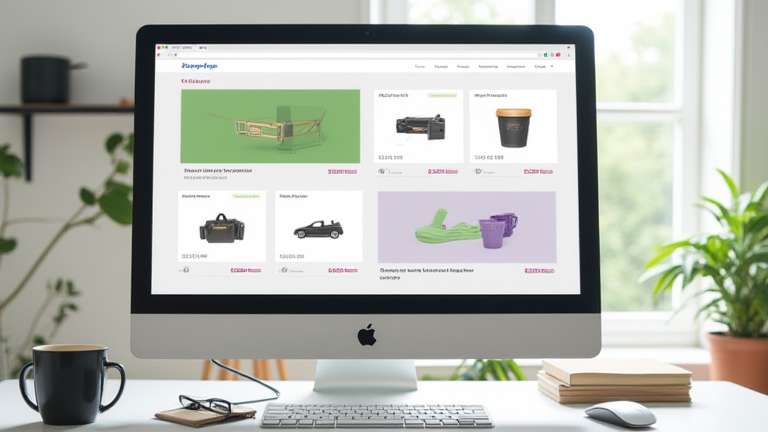
How to Start a Dropshipping Business on Shopify: A Beginner’s Step-by-Step Guide
TL;DR: Start by selecting a niche with proven demand and low competition, then build a streamlined Shopify store using reliable suppliers. Success hinges on mastering paid advertising and providing exceptional customer service to differentiate your brand from competitors.
The e-commerce landscape has evolved significantly, with dropshipping emerging as a low-risk entry point for entrepreneurs. Market analysis indicates that the global dropshipping market is projected to reach $475.79 billion by 2025, driven by increasing consumer preference for online shopping and the convenience of direct-to-consumer delivery. However, this growth brings intense competition. To succeed, beginners must move beyond generic product listings and focus on building a branded experience. Strategy insights suggest that winning stores do not just sell products; they sell solutions and lifestyles. By identifying a specific pain point and curating products that address it, you can create a loyal customer base rather than a one-time transaction list.
If you want to dig deeper, check out our guide on What I Learned About Anthropic: Key Takeaways.
Step-by-Step Execution
First, choose your niche using tools like Google Trends or TikTok hashtags to identify trending items. Avoid saturated markets like phone cases or basic apparel unless you have a unique angle. Second, select reliable suppliers. Platforms like AliExpress, Spocket, or Zendrop offer varying shipping times and quality controls. Always order samples to verify product quality and packaging. Third, build your Shopify store. Keep the design clean and mobile-responsive. High-quality images and compelling copy are non-negotiable. Finally, implement a marketing strategy. Paid social media ads on Facebook and Instagram remain the most effective channels for dropshipping. Start with small budgets to test creative assets and audience segments before scaling.
Case Studies in Success
Consider the story of a beginner who launched a store specializing in ergonomic office accessories. By targeting remote workers through LinkedIn and Facebook ads, they achieved a 5% conversion rate within three months. Their key differentiator was fast shipping via local suppliers, reducing delivery times from weeks to days. Another case involves a pet product niche where the owner used user-generated content from early customers to build trust. These examples highlight that operational efficiency and trust-building are more critical than just finding a viral product. Both stores prioritized customer support, responding to inquiries within hours, which significantly reduced chargebacks and increased repeat purchases. This approach transforms a transactional relationship into a community, driving organic growth through word-of-mouth and social proof.
Challenges are inevitable. Shipping delays and product quality issues are common pitfalls. To mitigate these, maintain high customer expectations and communicate proactively. Use automated email sequences to update customers on order status. Additionally, diversify your supplier base to avoid dependency on a single source. As you scale, consider transitioning to private labeling or holding inventory for best-selling items to improve margins and control quality. The dropshipping model is not a get-rich-quick scheme but a viable business framework that rewards diligence and adaptability. By focusing on brand building and customer retention, you can create a sustainable business that outlasts initial trends. Remember, the goal is not just to make a sale but to create a customer for life. Stay patient, analyze your data, and continuously refine your strategy. The market is competitive, but there is always room for businesses that prioritize customer satisfaction and operational excellence. Start small, test your assumptions, and scale what works. Your journey begins with the first click of the “Create Store” button, but it continues with every interaction with your customers. Embrace the learning curve and view each challenge as an opportunity to improve. With the right mindset and execution, your dropshipping business can become a profitable and fulfilling venture. The tools are available, the market is ready, and the success is yours to claim if you are willing to put in the work. Take action today and watch your business grow step by step. Consistency is key in this dynamic environment. Keep learning, keep adapting, and keep your eyes on the long-term vision. The future of e-commerce is bright for those who are prepared to navigate its complexities with skill and determination.
FAQ
Q: How much does it cost to start a dropshipping business on Shopify?</strong
Leave a Reply